
Ford E-150: Trims, Generations & Buyer's Guide
Last updated August 4, 2026
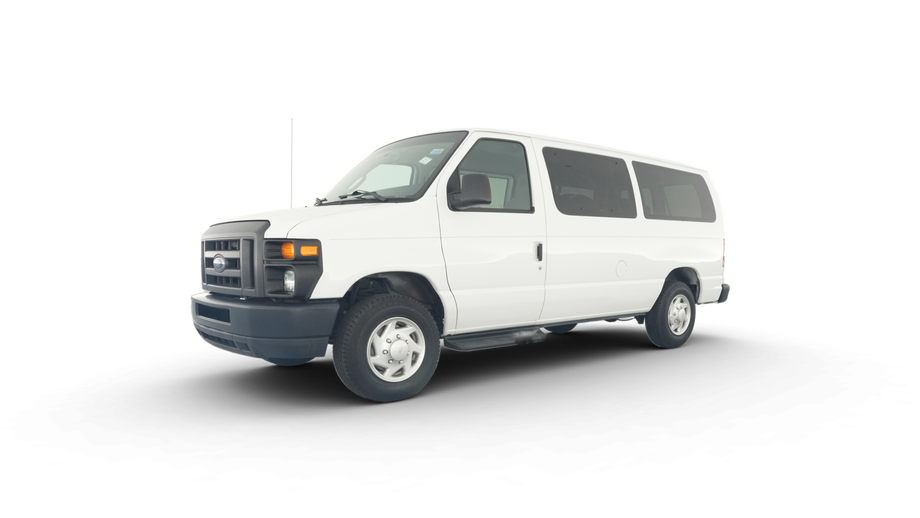
The Ford E-150 is a full-size, rear-wheel-drive van built for hauling cargo or carrying groups of people. It is known for its durable truck-based design, generous usable space, and straightforward controls.
The E-150 spent its long life putting utility and familiarity ahead of luxury or cutting-edge technology. Its boxy shape, truck-based hardware, wide-opening doors, and simple cabin made it a familiar tool for businesses and group transportation. Later updates improved the front cabin and added stability control without changing that basic formula. The 2014 model was the final E-150 cargo and passenger van before the Ford Transit took over those roles.
Strengths
- Its square, low-roof shape makes the interior easy to use for cargo, equipment, or passenger seating.
- The 2014 lineup provided seating for two to eight people, depending on whether it was set up for work or passenger duty.
- The extended 2014 cargo van offered more than 278 cubic feet of cargo room.
- In 2014, properly equipped flexible-fuel models were rated to tow up to 7,500 pounds.
- Wide-opening doors and familiar controls help keep everyday loading and driving straightforward.
- Stability control became standard on passenger wagons in 2009 and on cargo vans in 2011.
Who it's for
The E-150 fits tradespeople, fleet operators, churches, shuttle services, and large families that need an older van with lots of room and straightforward hardware. It makes the most sense for someone who values cargo capacity, group seating, or towing more than modern technology and luxury.
Ford E-150 lineup
The Base trim is the simplest work-focused E-150 and suits buyers who mainly need an empty, practical cargo van. The Extended version adds more cargo space for bulky equipment or larger loads. XL models are the straightforward choice for passenger duty, while XLT models add a more comfort-focused feel for families, churches, and shuttle operators. The differences are mainly about work space, passenger use, and cabin comfort rather than major changes to the E-150’s basic character.
Ford E-150 generations
From 2009 to 2014, the E-150 spans 1 generation. The current 4th Generation arrived for 1992.
4th Generation (1992–2014)
This long-running E-150 used a boxy, truck-based design with rear-wheel drive and V8 power. It came in cargo-van and passenger-wagon forms, with later models carrying the updated front end introduced for 2008 and a redesigned dashboard from 2009.
0 In Stock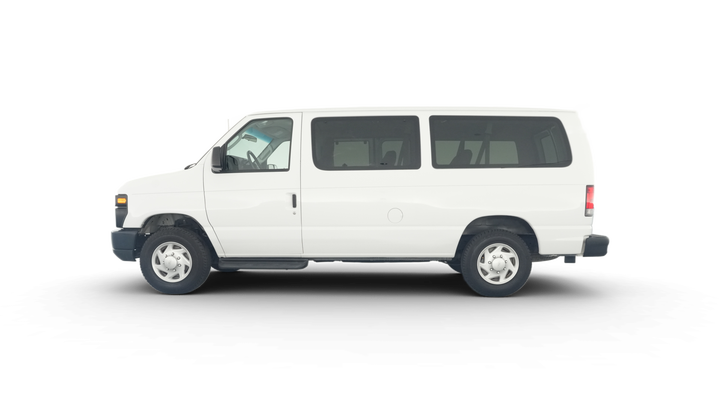
2014
Mostly carried over from 2013. This was the final model year for E-150 cargo and passenger vans before the Transit took over those roles.
2013
The cargo vans and passenger wagons carried over with no significant updates.
2012
A standard audio input jack was added to the factory radio; the rest of the lineup was largely unchanged.
2011
Stability control became standard on cargo vans, and a 50th Anniversary package was offered on the E-150 XLT Premium wagon.
2010Trim changes
The lineup carried over after the previous year's dashboard and feature updates.
2009Mid-cycle update
A redesigned dashboard and front cabin arrived across the lineup. The Extended Cargo Van joined, along with newer options such as a rearview camera and navigation.
What's new by year
See what changed in a specific model year of the Ford E-150.
Frequently asked questions
Is the Ford E-150 a cargo van or a passenger van?
It was sold in both forms. Cargo versions use a two-seat layout with a large open load area, while passenger wagons seat up to eight people for family, church, team, or shuttle use.
What is the Ford E-150 known for?
The Ford E-150 is known for simple truck-based hardware, generous usable space, wide-opening cargo doors, and straightforward controls. Its focus is durable work and people-moving utility rather than modern technology or luxury.
Who is the Ford E-150 a good fit for?
It fits contractors, delivery and service fleets, shuttle operators, churches, teams, and large families that need a roomy full-size van. Cargo models favor tools and supplies; passenger models favor group transportation.
Does the Ford E-150 come as a hybrid?
No. The 2009–2014 E-150 lineup covered here uses gasoline-capable flex-fuel V8 engines, not a hybrid system.
Does the Ford E-150 have AWD?
No. The later E-150 cargo and passenger vans covered here are rear-wheel drive. An AWD version is not part of this lineup.
How many people does the Ford E-150 seat?
Passenger versions seat up to eight people. Cargo versions have two front seats and devote the space behind them to tools, parts, deliveries, or other loads.
What replaced the Ford E-150?
The Ford Transit replaced the E-150 cargo and passenger vans after their final 2014 model year. The E-150 itself remained part of the long-running fourth-generation E-Series design through the end.
How much cargo room and towing ability does the Ford E-150 have?
In the 2014 lineup, cargo space ranges from about 238 to 278 cubic feet, and maximum towing runs from 7,000 to 7,500 pounds. The exact figure depends on body length and equipment.
Ford E-150 Reviews
What owners are saying about the Ford E-150.