
Toyota Matrix: Trims, Generations & Buyer's Guide
Last updated August 4, 2026
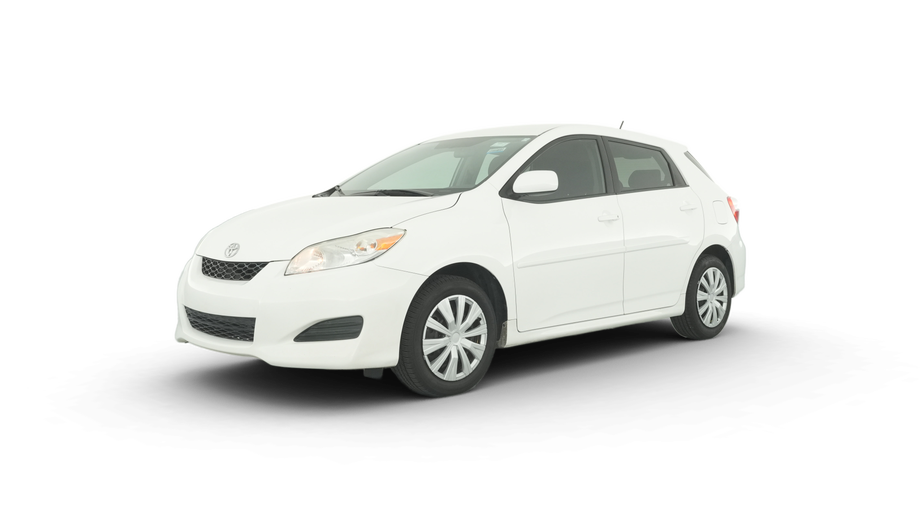
The Toyota Matrix is a compact five-door wagon that blends the easy driving and fuel economy of a small car with the cargo flexibility of a small SUV. It is known for Toyota dependability, seating for five, and a useful interior without the bulk of a larger vehicle.
The Matrix stayed focused on one idea: make a compact car useful enough for commuting, hobbies, and bulky gear. Its five-door shape and configurable cargo area mattered more than flashy features, while the second generation brought a wider, lower body and a stronger engine in upper trims. Later updates improved standard safety and audio without changing that practical formula.
Strengths
- The configurable cargo area gives the Matrix much of its appeal, making it easier to carry bulky gear than a typical compact sedan.
- The 2013 Matrix had 49.4 cubic feet of cargo room, giving it useful carrying capacity for such a compact vehicle.
- The 2013 gas Matrix reached up to 32 mpg on the highway in its most efficient form.
- Toyota dependability was one of the qualities that helped the Matrix stand apart from other compact hatchbacks.
- Stability control and traction control became standard across the lineup for 2010, and the 2011 refresh added another braking safeguard.
Who it's for
The Matrix fits someone who wants an easy-to-drive commuter but regularly carries sports equipment, hobby supplies, pets, or other bulky gear. It is especially appealing to used-car shoppers who need more flexibility than a sedan provides but do not want a larger SUV.
Toyota Matrix lineup
The base Matrix, listed as L Sport for 2013, is the simpler pick, pairing the model’s core cargo versatility with the smaller 1.8-liter engine. Step up to S Sport when stronger acceleration matters, since second-generation S models used the larger 2.4-liter engine. Early second-generation shoppers will also encounter the XRS, another 2.4-liter grade that Toyota dropped after 2010. From 2011 onward, the simpler base-and-S structure defined the lineup through the end of its U.S. run.
Toyota Matrix generations
From 2009 to 2013, the Matrix spans 1 generation. The current 2nd Generation arrived for 2009.
2nd Generation (2009–2013)
The second-generation Matrix has a wider, lower body, a redesigned cabin, and two four-cylinder engines. The S offered AWD, while the sportier XRS remained through 2010 before leaving the lineup for the 2011 refresh.
2 In Stock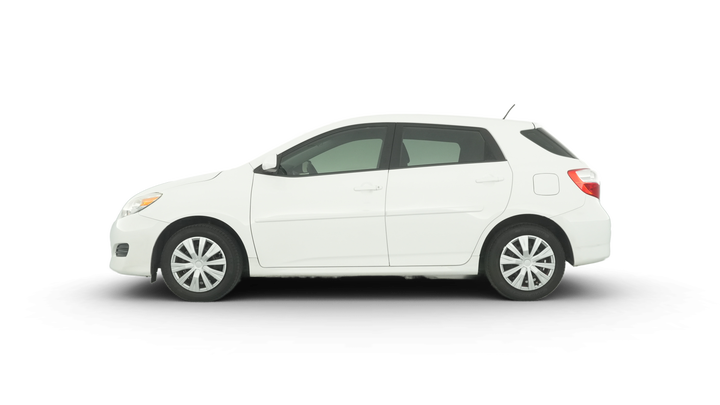
2013Trim changes
Standard audio systems were upgraded. The L gained six speakers, USB/iPod connectivity, and Bluetooth, while the S gained a 6.1-inch touchscreen.
2012
Carryover year with the same two-trim lineup, engines, styling, and safety equipment.
2011Mid-cycle update
Refreshed bumpers on the S, updated cabin details, more standard equipment, and Smart Stop marked the mid-cycle update. The XRS left the lineup.
2010
Stability control and traction control became standard across the lineup.
2009New generation
A full redesign brought a wider, lower body, a new cabin, 1.8-liter and 2.4-liter engines, and Matrix, S, and XRS trims.
What's new by year
See what changed in a specific model year of the Toyota Matrix.
Frequently asked questions
Is the Toyota Matrix an SUV or a hatchback?
It is a compact five-door hatchback, also commonly classified as a wagon. The Matrix drives more like a small car but offers a tall, flexible cargo area that gives it some of the usefulness of a small SUV.
Is the Toyota Matrix a hybrid?
No. The second-generation Matrix is gas-only. It uses a four-cylinder engine: a 1.8-liter in entry versions or a stronger 2.4-liter in the S and XRS.
Does the Toyota Matrix have all-wheel drive?
Yes, but only certain S versions have all-wheel drive. Most Matrix models are front-wheel drive, including the entry 1.8-liter versions, so check the exact car rather than relying on the Matrix name alone.
How many people and how much cargo fit in a Toyota Matrix?
The late Matrix seats five and has up to 49.4 cubic feet of cargo space. Its 60/40 split-folding rear seat lets you trade passenger room for space when carrying larger items.
What is the Toyota Matrix known for?
The Matrix is known for combining easy small-car driving with a useful hatchback cargo area. Its practical strengths are flexible seating, room for everyday gear, and Toyota dependability without the bulk of a larger vehicle.
Who is the Toyota Matrix a good fit for?
It suits commuters, small families, and people who regularly carry hobby or work gear but do not want a larger SUV. The five-seat cabin and folding rear seat also make it useful for errands and weekend trips.
Which years make up the second-generation Toyota Matrix?
The U.S. second-generation Matrix runs from 2009 through 2013. It was fully redesigned for 2009, refreshed for 2011, and ended after 2013. The refresh updated styling and equipment and removed the XRS from the lineup.
Sources
- pressroom.toyota.com — 2012 Toyota Matrix Sport Design Crossover Capability Matrix S All Wheel Drive
- pressroom.toyota.com — Toyota Adds Standard Vehicle Stability Control Traction Control On Matrix For 2010
- pressroom.toyota.com — Album / 2011 2013 Toyota Matrix Second 2Nd Generation
- pressroom.toyota.com — 2011 Toyota Matrix Debuts At The Chicago Auto Show