
“It's a great vehicle in terms of safety and moving away from fossil fuel. Saves you money in the long term.”
Hyundai Kona: Trims, Generations & Buyer's Guide
Last updated August 4, 2026
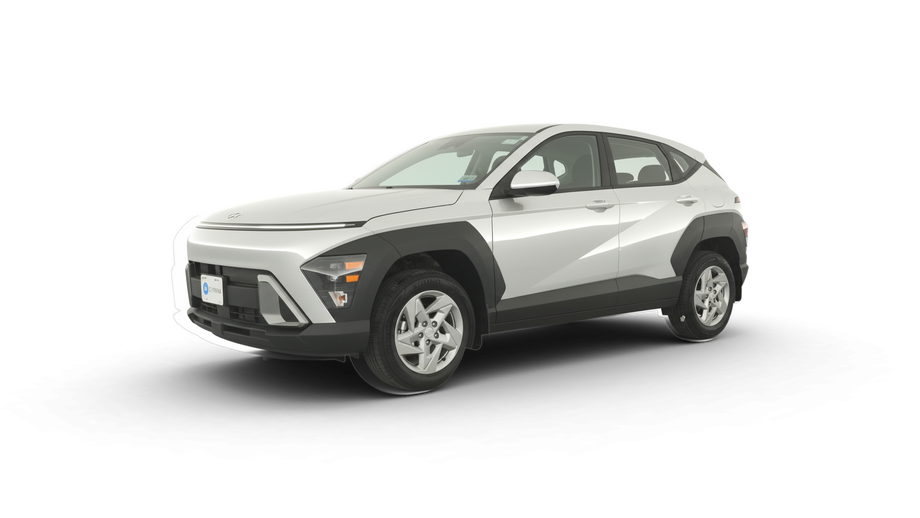
The Hyundai Kona is a small, city-friendly compact SUV known for bold styling, easy maneuverability, flexible cargo space, and more cabin room than its footprint suggests. Gas models have typically paired an economy-focused engine with a stronger turbo option, while front- and all-wheel-drive examples cover commuting and light all-weather use.
Since its 2018 debut, the Kona has blended easy city manners with the raised seating position and cargo flexibility people expect from an SUV. Its distinctive styling and strong emphasis on touchscreen and safety technology have remained central to its character. The 2024 redesign made it substantially roomier without abandoning the small-SUV formula. Across both generations, regular and turbocharged gas engines have given buyers a choice between everyday efficiency and livelier response.
Strengths
- Its small footprint and easy maneuverability make crowded streets and parking lots less stressful.
- The 2024 redesign brought a meaningful increase in back-seat and cargo room.
- Technology is a consistent strength, from standard Apple CarPlay and Android Auto at launch to a standard 12.3-inch center touchscreen from 2024 onward.
- Driver-assistance coverage has grown steadily, and every 2026 trim includes stop-and-go adaptive cruise control and upgraded forward-collision assistance.
- Its gas powertrains cover two useful personalities, with an economy-focused engine for routine driving and a turbo engine for stronger response.
Who it's for
The Kona fits commuters, small households, and city or suburban drivers who want an SUV seating position without a bulky vehicle. It also makes sense for shoppers who carry groceries, luggage, or occasional larger items and value easy parking. Used buyers should pay close attention to model year because the roomier second generation arrived for 2024, while safety equipment expanded at several points during the first generation.
Hyundai Kona lineup
Kona trim names have shifted over time, but the lineup usually follows a clear progression from straightforward transportation to more comfort, technology, and performance. SE is the basic entry point, while the long-running SEL family occupies the middle ground and has appeared in Plus, Convenience, Sport, and Premium forms. For 2026, SEL Sport and SEL Premium split that middle ground: Sport emphasizes a more assertive presentation, while Premium is the step toward a richer comfort-and-display mix. Limited has generally been the upper-end choice, while N Line models from 2022 through 2025 stand apart for their turbo engine and sport-styled body.
Hyundai Kona generations
From 2018 to 2026, the Kona spans two generations. The current 2nd Generation — SX2 arrived for 2024, following the 1st Generation (2018–2023).
2nd Generation — SX2 (2024–Present)
The second-generation Kona has a longer, wider body with more rear-seat and cargo room, plus styling first shaped around the electric version. Gas models have a standard 12.3-inch center touchscreen, and turbo models use an 8-speed automatic.
148 In Stock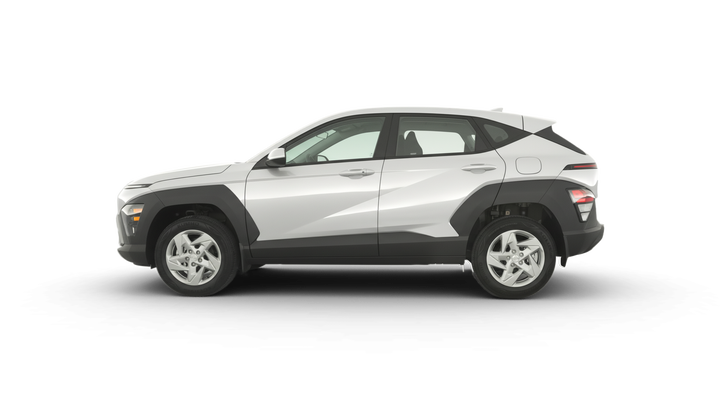
2026Trim changes
SEL Sport and SEL Premium join the lineup. Stop-and-go adaptive cruise control and upgraded forward-collision assistance become standard on every trim.
2025Trim changes
N Line S joins the lineup, and the former SEL Convenience package becomes a separate trim.
2024New generation
Full redesign with a larger body, roomier cabin, new styling, and a standard 12.3-inch center touchscreen.
1st Generation (2018–2023)
The first Kona introduced Hyundai's small crossover below the Tucson, with city-friendly dimensions, front-wheel drive or AWD, and two four-cylinder engines. A substantial 2022 update brought revised styling, a slightly longer body, more cabin space, and updated engines and technology.
215 In Stock
2023
More safety features become standard across the lineup, including blind-spot assistance, rear cross-traffic assistance, and Safe Exit Warning.
2022Mid-cycle update
Major refresh with new front and rear styling, a 1.6-inch-longer body, more interior space, and the new N Line trim.
2021Trim changes
The Night trim joins the lineup with the turbo engine and styling-focused details.
2020Trim changes
SEL Plus becomes a separate trim, replacing the former SEL with Tech Package configuration.
2019Trim changes
The limited-production Iron Man Edition joins the lineup. Automatic emergency braking, lane keeping assistance, and a driver attention warning become standard on every trim.
2018New generation
The Kona debuts in the U.S. as an all-new small crossover with front-wheel drive or AWD and standard Apple CarPlay and Android Auto.
What's new by year
See what changed in a specific model year of the Hyundai Kona.
Frequently asked questions
Is the Hyundai Kona an SUV or a hatchback?
The Hyundai Kona is a small four-door SUV with seating for five. Its compact footprint is aimed at city driving, while its raised seating position and flexible cargo area give it more everyday utility than a typical small hatchback.
Does the Hyundai Kona come as a hybrid?
The U.S. gasoline Kona is not a hybrid. Used examples have four-cylinder gas engines, including an economy-focused 2.0-liter and a stronger turbocharged 1.6-liter in selected trims and years.
Is the Hyundai Kona good for city driving?
Yes. The Kona’s small footprint and easy maneuverability suit tight streets, parking garages, commuting, and errands. It still provides a five-seat cabin and useful cargo flexibility, so it does not feel limited to short urban trips.
How roomy is the Hyundai Kona?
The newer Kona is roomy for a small SUV. The second generation has five seats, 38.2 inches of rear legroom, and 63.7 cubic feet of cargo room. It grew substantially in the 2024 redesign, improving rear-seat and cargo space.
Does the Hyundai Kona have AWD?
Yes. Used Konas include both front-wheel-drive and AWD examples. Front-wheel drive suits routine commuting, while AWD provides added traction for wet roads, snow, and light all-weather use.
What is the main difference between the two Kona generations?
The first generation covers 2018 through 2023, while the second began for 2024. The newer Kona has a longer, wider body, more rear-seat and cargo room, and a standard 12.3-inch touchscreen on every gasoline trim.
Hyundai Kona Reviews
What owners are saying about the Hyundai Kona.
4.2
Hyundai Kona
(2,286 reviews)
“Looks sharp. Runs great. Excellent gas mileage. Great value for the money. Matte finish looks terrific but a bit difficult to maintain.”
“Great car- Comfortable seats but would love electric seats rather than manual option. Handles great in the snow with the AWD option. Solid car for the money!”
“It is much more than I expected. It accelerates quickly, drives smoothly, and the charging process is so simple!”
“love everything about it. appearance, color, comfort, performance, fuel economy.”
“Fun to drive for a smaller SUV. Passing capability could be better. It could use more room in the vehicle. It was smaller than I expected.”
Sources
- hyundainews.com — Releases / 4513
- hyundainews.com — Releases / 4182
- hyundainews.com — Releases / 3870
- hyundaiusa.com — Us / Vehicles / 2025 Kona
- hyundaiusa.com — Vehicles / 2025 Kona / Compare Specs
- hyundaiusa.com — Vehicles / 2025 Kona / Se
- hyundaiusa.com — Vehicles / 2025 Kona / Sel
- hyundaiusa.com — Vehicles / 2025 Kona / Sel Convenience
- hyundaiusa.com — Vehicles / 2025 Kona / Limited
- hyundaiusa.com — Vehicles / 2025 Kona / N Line
- hyundaiusa.com — Vehicles / 2025 Kona / N Line S
- hyundainews.com — Releases / 3101