Hyundai Genesis Coupe 2.0T, R-Spec & More

Last updated August 4, 2026

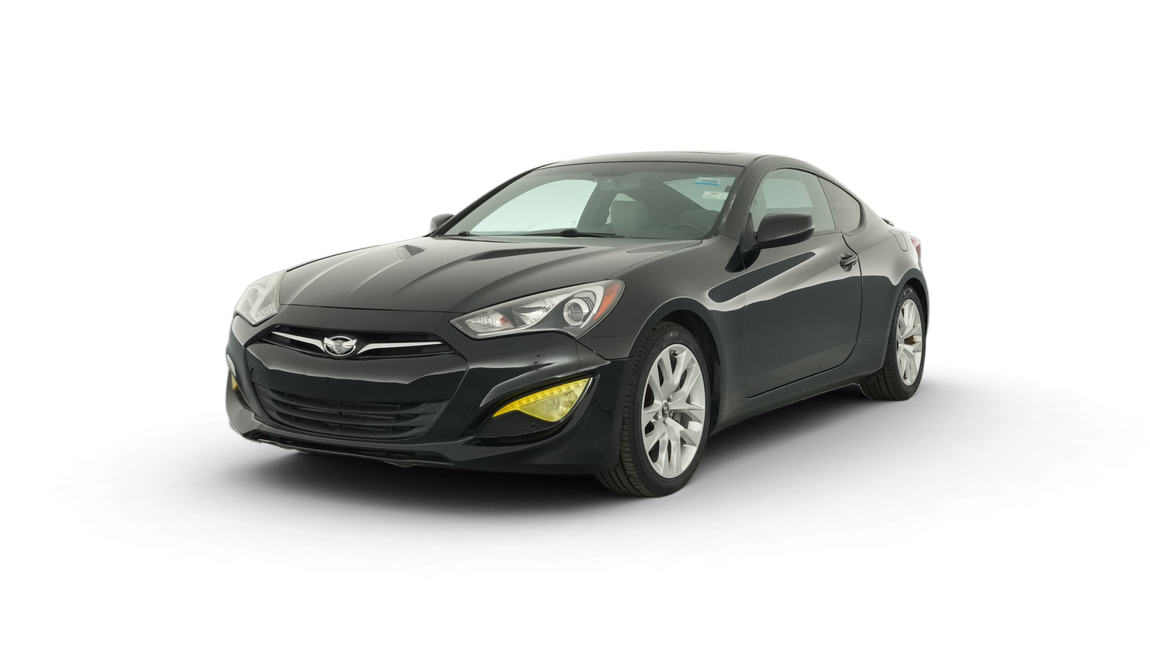
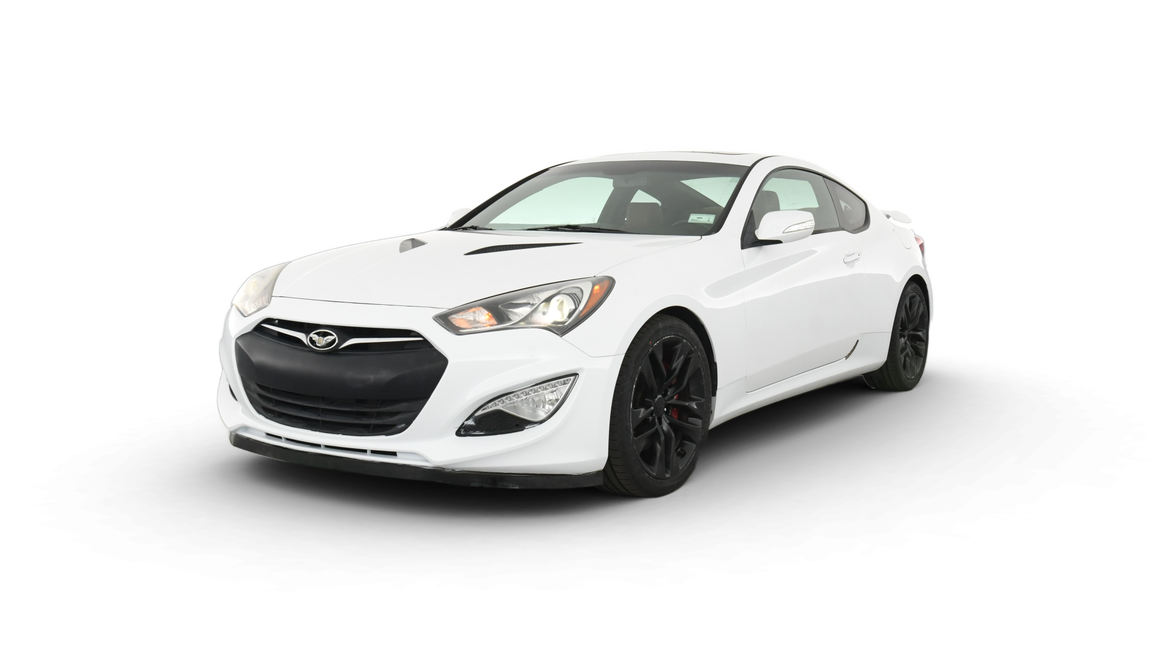
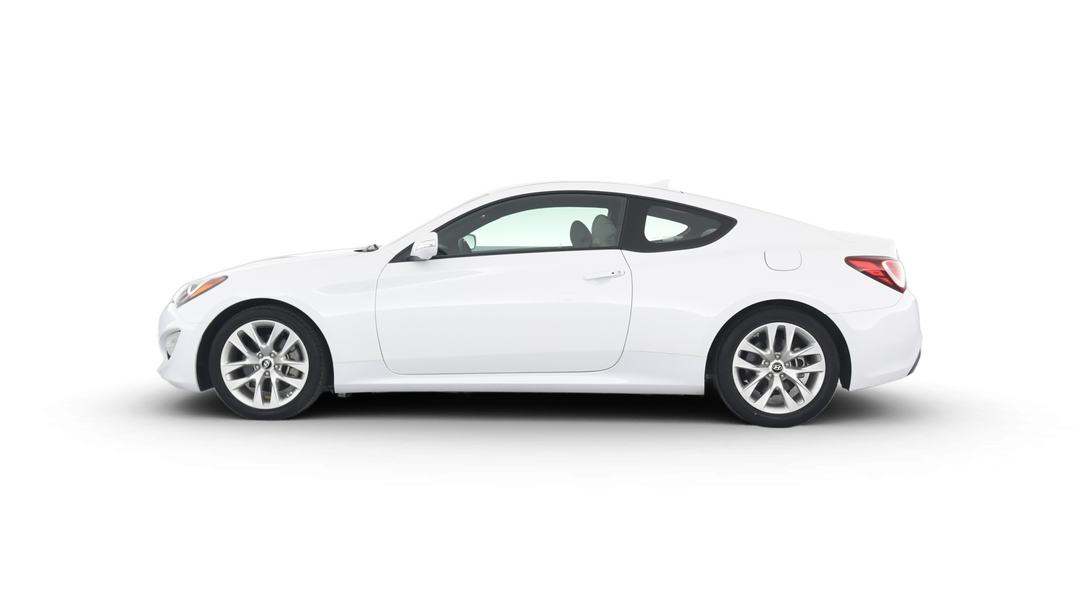
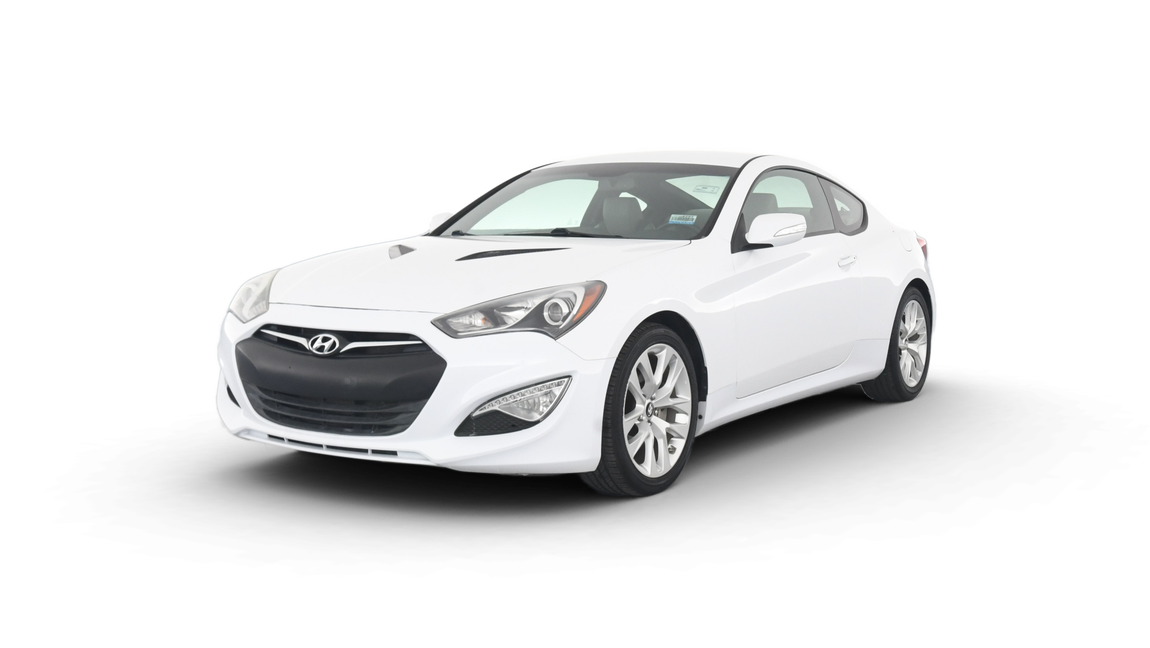
Hyundai Genesis Coupe

The Hyundai Genesis Coupe lineup starts with the 2.0T and 3.8, the everyday rear-wheel-drive models. The 2.0T R-Spec and 3.8 R-Spec favor manual shifting and sharper handling hardware over cabin extras. The 2.0T Premium and 3.8 Grand Touring emphasize automatic-transmission comfort, navigation, premium audio, and a sunroof. The Track versions and range-topping V6 model combine upgraded cornering and braking hardware with a more fully equipped cabin.

What each trim is known for

Hyundai Genesis Coupe Base Model

Base Model

2.0T3.8

The Base Model trim level — 2.0T and 3.8 — is the everyday Genesis Coupe, with rear-wheel drive, lively power, and a more road-friendly setup than the focused performance versions.

Best for: Drivers who want a sporty coupe that remains comfortable and straightforward for regular road use.


Highlights

  • Turbo four-cylinder in the 2.0T or a 3.8-liter V6 in the 3.8
  • Rear-wheel drive with road-friendly sport suspension tuning
  • Everyday comfort equipment and straightforward cabin controls
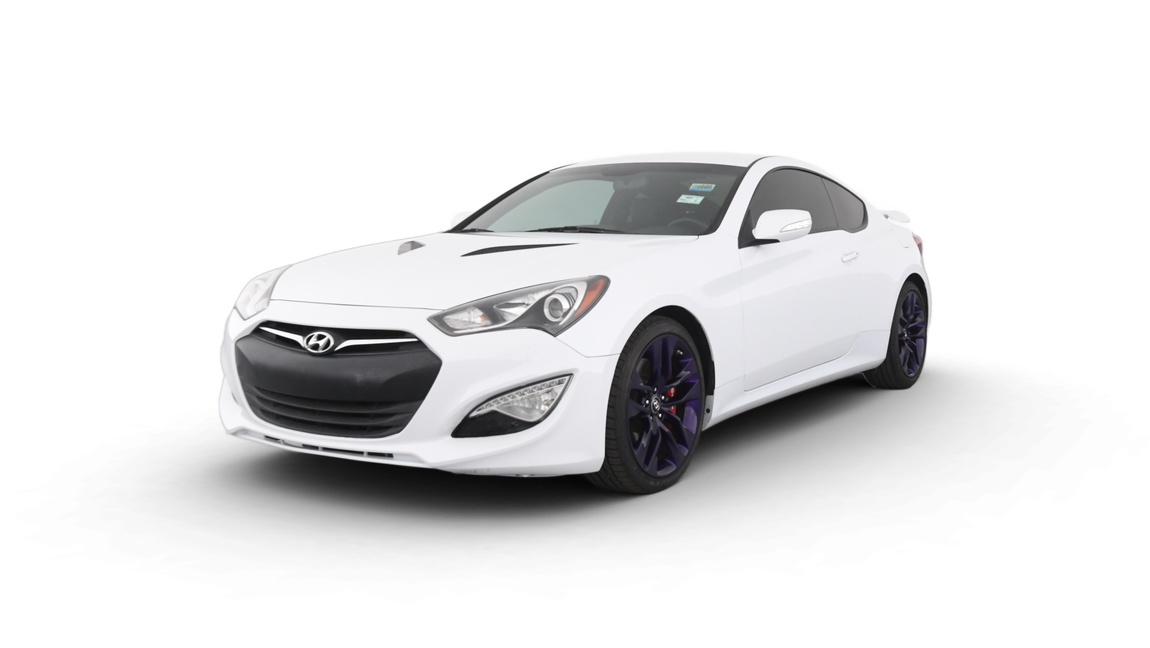
0 in stock
Hyundai Genesis Coupe Sport Styling

Sport Styling

2.0T R-Spec3.8 R-Spec

The Sport Styling trim level — 2.0T R-Spec and 3.8 R-Spec — is the hands-on driver's branch, known for manual shifting, stronger brakes, and more focused cornering hardware rather than extra cabin technology.

Best for: Drivers who value direct control, firm handling, and track-oriented hardware more than luxury features.


Highlights

  • Manual transmission
  • Track-tuned suspension
  • Torsen limited-slip rear differential for better traction when accelerating out of corners
  • Brembo performance brakes

Adds a manual-only, driver-focused setup with firmer suspension, a limited-slip differential, Brembo brakes, and more supportive front seats.

0 in stock
Hyundai Genesis Coupe Comfort Upgrade

Comfort Upgrade

2.0T Premium3.8 Grand Touring

The Comfort Upgrade trim level — 2.0T Premium and 3.8 Grand Touring — is the relaxed touring branch, known for pairing an automatic transmission with the lineup's main comfort and technology upgrades.

Best for: Daily drivers and road-trip shoppers who prefer cabin comfort and convenience over firmer performance tuning.


Highlights

  • Automatic transmission with steering-wheel shift paddles
  • Touchscreen navigation and Infinity premium audio
  • Power glass sunroof and power-adjustable driver's seat
  • Heated leather front seats in the 3.8 Grand Touring

Shifts the emphasis from manual control and track hardware to an automatic transmission, navigation, premium audio, a sunroof, a power driver's seat, and parking assistance.

0 in stock
Hyundai Genesis Coupe Performance

Performance

2.0T Track3.8 Track3.8 Ultimate

The Performance trim level — covering the 2.0T Track, 3.8 Track, and the range-topping V6 version — is known for combining serious cornering and braking hardware with a more fully equipped cabin.

Best for: Drivers who want sharper performance without giving up the comfort and technology found in the touring-oriented trims.


Highlights

  • Track-tuned suspension
  • Torsen limited-slip rear differential and Brembo brakes
  • Heated leather front seats with power driver adjustments
  • Touchscreen navigation and Infinity premium audio

Adds track-tuned suspension, a limited-slip differential, and Brembo brakes while retaining comfort features such as heated leather seating, navigation, and premium audio.

1 in stock

Trim comparison

FeatureBase ModelPerformanceSport StylingComfort Upgrade
Includes
2.0T, 3.80 in stock
2.0T Track, 3.8 Track, 3.8 Ultimate1 in stock
2.0T R-Spec, 3.8 R-Spec0 in stock
2.0T Premium, 3.8 Grand Touring0 in stock
Transmission focusVaries; 3.8 examples include manual or automaticVaries by member trim and yearManual onlyAutomatic with shift paddles
Suspension characterRoad-friendly sport tuningTrack-tunedFirmer, track-tunedComfort-focused standard tuning
Limited-slip differentialStandardStandard
Brembo performance brakesStandardStandard
Navigation, premium audio, and sunroofSimpler cabin technologyStandardNot the focusStandard
Heated leather front seatsStandardLeather-and-cloth sport seats3.8 Grand Touring

Frequently asked questions

What is the Genesis Coupe 3.8 trim?

Late in the model’s run, the 3.8 was the everyday-focused base trim. It has the 348-hp V6, rear-wheel drive, sport-tuned suspension, automatic climate control, and simpler cabin technology than upper trims.

What does R-Spec mean on a Genesis Coupe?

R-Spec is the driver-focused, manual-only trim. Depending on the year, it uses a turbo four-cylinder or V6 and adds firmer suspension, Brembo brakes, a limited-slip differential for better cornering traction, and supportive front seats.

What is the Genesis Coupe Grand Touring trim?

In the earlier lineup, Grand Touring was the comfort-focused V6 trim. It combines an automatic transmission with heated leather seats, navigation, premium audio, a sunroof, and a power driver’s seat.

What is the Genesis Coupe Track trim?

In earlier years, Track combined performance hardware with a well-equipped cabin. Depending on the engine and year, it adds firmer suspension, Brembo brakes, a limited-slip differential, premium audio, and a sunroof.

What is the difference between the Genesis Coupe 3.8 and 3.8 R-Spec?

The regular 3.8 is better suited to everyday road use. The 3.8 R-Spec adds a close-ratio manual, firmer suspension, Brembo brakes, a limited-slip differential, and more supportive seats, but keeps the cabin simpler.

What is the difference between the Genesis Coupe Grand Touring and Track trims?

In the earlier lineup, Grand Touring emphasizes comfort with heated leather seats, navigation, premium audio, and a sunroof. Track adds firmer suspension, Brembo brakes, and a limited-slip differential while retaining useful cabin features.

What does the 2.0T Premium add over the regular 2.0T?

In the turbo-era lineup, 2.0T Premium adds touchscreen navigation, Infinity audio, a sunroof, a power driver’s seat, and rear parking sensors. It keeps the regular suspension rather than adding track-focused hardware.

What is the difference between the 2.0T Premium and 3.8 Grand Touring?

Both are comfort-focused trims with an automatic, navigation, premium audio, a sunroof, and a power driver’s seat. The 2.0T Premium uses the turbo four-cylinder, while Grand Touring adds V6 power, full leather upholstery, and heated front seats.

What is the difference between the 2.0T R-Spec and 2.0T Track?

Both turbo trims focus on handling and include Brembo brakes, firmer suspension, and a limited-slip differential. R-Spec is the simpler manual-only version with sport seats. Track adds cabin features such as premium audio and a sunroof.

Should I look for a 2.0T or a 3.8 Genesis Coupe?

Look at the 2.0T for turbo four-cylinder power and the 3.8 for the stronger V6. The gap changed over time: refreshed 2.0T models make 274 hp, while refreshed 3.8 models make 348 hp. The final two model years use only the V6.

Which Genesis Coupe trim is easiest to live with every day?

The regular 3.8 is the straightforward later-model daily driver, with V6 power and a more road-friendly suspension setup. In earlier years, 2.0T Premium and 3.8 Grand Touring add comfort and technology without the firmer track suspension.

Which Genesis Coupe trim has the main comfort features?

In the earlier lineup, 3.8 Grand Touring includes heated leather seats, navigation, premium audio, a sunroof, and a power driver’s seat. Later top-trim cars combine similar cabin equipment with upgraded braking and cornering hardware.

Which Genesis Coupe trim should I look for if I want a manual?

R-Spec is the clearest choice because it is manual-only and adds the main handling and braking upgrades. Some regular 3.8 and later top-trim examples also have a six-speed manual, depending on the year.

Which Genesis Coupe trims have Brembo brakes and a limited-slip differential?

The performance-focused R-Spec and Track trims include Brembo brakes and a limited-slip differential. Later top-trim cars also have both. These parts strengthen braking and help the rear wheels put down power when cornering.