
“The Ioniq 5 N is a very high performance car that is fun to drive, charges quickly, and looks good. It does NOT offer the high-end amenities of the top level Ioniq 5 (non-N). The software needs some work. The summer tires are poor below 30 degrees F, even on dry pavement it will slide without too much pushing.”
2025 Hyundai IONIQ 5: What's New, Specs & Features
Last updated August 4, 2026
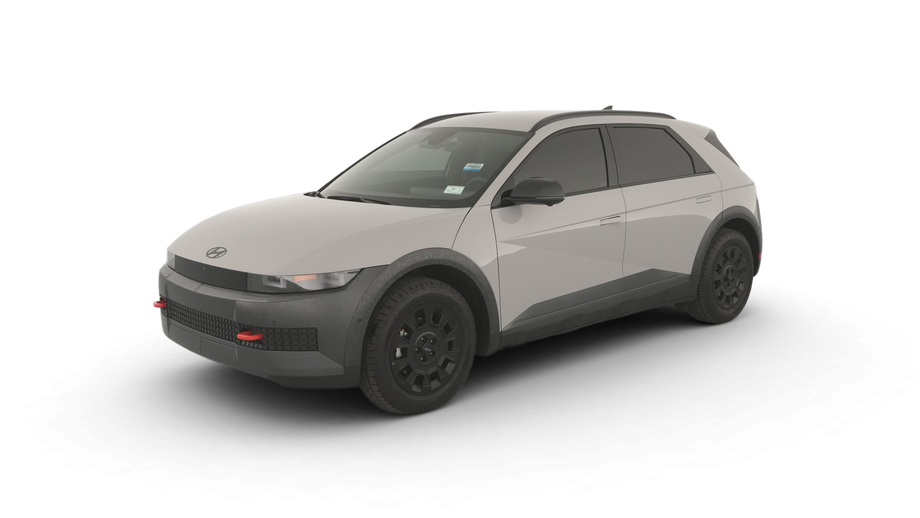
The biggest change for the 2025 Hyundai IONIQ 5 is a major mid-cycle update that brings larger batteries, more driving range, and a standard NACS charge port. It also gains refreshed styling, useful cabin upgrades, and a new XRT trim for light off-pavement use.
About the 2025 Hyundai IONIQ 5
1st generation (2022-present in the U.S.), mid-cycle refresh year
Hyundai positions the IONIQ 5 as a design-forward electric SUV that mixes quick charging, strong real-world usefulness, and a roomy cabin with a distinctive retro-futuristic look. Its core appeal is that it feels more spacious and upscale than many compact EV rivals while also standing out for 800-volt fast-charging capability, long-range availability, and easy everyday comfort. For most shoppers, it is the practical, style-led Hyundai EV that balances tech, comfort, and charging speed better than a plain appliance-like crossover.
The 2025 IONIQ 5 lineup ranges from the straightforward SE Standard Range to the longer-range SE and more comfort-focused SEL. Limited is the premium version, with a panoramic glass roof, a head-up display, ventilated front seats, Bose audio, and extra camera aids. The new AWD-only XRT takes a more rugged approach with a 23 mm suspension lift, terrain settings, tow hooks, and tougher-looking bumpers.
What changed, by category
Powertrain
Battery capacity increases to 63.0 kWh in the SE Standard Range and 84.0 kWh in Long Range models. EPA range rises across the lineup, including 245 miles for the SE Standard Range and up to 318 miles for long-range versions. A native NACS charge port and a CCS adapter are standard.
Styling
Hyundai updates the front and rear design and adds a rear wiper. The new XRT brings unique bumpers and darker exterior trim, while the Disney100 Platinum Edition leaves the lineup.
Safety
Forward and reverse parking-distance warnings become standard across the lineup. The SEL gains Highway Driving Assist 2, while the Limited receives expanded parking-assistance hardware and software.
Tech
The cabin gets revised climate controls, a redesigned center console, USB-C ports, and standard wireless Apple CarPlay and Android Auto. The SEL also gains Digital Key 2 Premium and wireless device charging.
Structural
The new AWD-only XRT adds a 23 mm suspension lift, terrain settings, and front tow hooks. A separate XRT version pairs this setup with a factory-installed tow hitch.
2025 Hyundai IONIQ 5 specs and features by trim
| Feature | ||||||
|---|---|---|---|---|---|---|
| Engine | Electric Motor / Dual Electric Motors | Electric Motor / Dual Electric Motors | Dual Electric Motors | Electric Motor / Dual Electric Motors | Electric Motor | |
| Transmission | Single-Speed Reduction Gear | Single-Speed Reduction Gear | Single-Speed Reduction Gear | Single-Speed Reduction Gear | Single-Speed Reduction Gear | |
| Drivetrain | RWD | AWD | AWD | RWD | RWD | |
| Fuel Type | Electric | Electric | Electric | Electric | Electric | Electric |
| Horsepower | 225–320 hp | 225–320 hp | 320 hp | 225–320 hp | 320 hp | 168 hp |
| Torque | 258–446 lb-ft | 258–446 lb-ft | 446 lb-ft | 258–446 lb-ft | 446 lb-ft | 258 lb-ft |
| Max Towing | 2300 lb | 2300 lb | 2300 lb | 2300 lb | ||
| Trunk/Cargo | 58.5 cu-ft | 58.5 cu-ft | 58.5 cu-ft | 58.5 cu-ft | 58.5 cu-ft | 58.5 cu-ft |
| Rear Legroom | 39.4 in | 39.4 in | 39.4 in | 39.4 in | 39.4 in | 39.4 in |
| Seats | 5 | 5 | 5 | 5 | 5 | 5 |
| Doors | 4 | 4 | 4 | 4 | 4 | 4 |
| Electric Range | 290–318 | 290–318 | 259 | 269–318 | 259 | 245 |
| MPGe Combined | 106–114 | 106–114 | 94 | 98–114 | 94 | 115 |
| Adaptive Cruise Control | ||||||
| Alarm System | ||||||
| Automatic High Beams | ||||||
| Blindspot Sensors | ||||||
| Lane Departure Warning | ||||||
| Park Assist | ||||||
| Rain Sensing Windshield Wipers | ||||||
| Rear View Camera | ||||||
| 360 Camera | ||||||
| Alloy Wheels | ||||||
| LED Headlights | ||||||
| Panorama Moon Roof | ||||||
| Power Close Liftgate/Trunk | ||||||
| Power Folding Exterior Mirrors | ||||||
| Rear Spoiler | ||||||
| Roof Rails | ||||||
| Head-Up Display | ||||||
| Navigation System | ||||||
| Premium Audio | ||||||
| Smartphone Interface | ||||||
| Subwoofer | ||||||
| Auto-Dimming Interior Mirror | ||||||
| Dual Power Front Seats | ||||||
| Dual-Zone Climate Control | ||||||
| Rear Air Conditioning | ||||||
| Heated Front Seats | ||||||
| Heated Rear Seats | ||||||
| Heated Steering Wheel | ||||||
| Integrated Garage Door Opener | ||||||
| Interior Ambient Lighting | ||||||
| Memory Driver's Seat | ||||||
| Power Driver Seat | ||||||
| Proximity Keyless Entry | ||||||
| Push-Button Engine Start | ||||||
| Rear Window Shades | ||||||
| Ventilated Front Seats | ||||||
Frequently asked questions
What is the biggest change to the 2025 Hyundai IONIQ 5?
The biggest change is a broad mid-cycle refresh led by larger batteries, higher EPA range, and a standard native NACS charge port. Hyundai also updates the styling and cabin, adds a rear wiper, and introduces the rugged XRT trim.
How far can the 2025 Hyundai IONIQ 5 travel on a charge?
The 2025 IONIQ 5 is rated for 245 miles in SE Standard Range form, up to 318 miles in long-range versions, and 259 miles as the dual-motor AWD XRT. Actual range varies with trim, drivetrain, weather, speed, and driving conditions.
Does the 2025 Hyundai IONIQ 5 have a NACS charge port?
Yes. Every 2025 IONIQ 5 has a native NACS charge port, and a CCS adapter is included for compatible CCS charging stations.
What is different about the 2025 IONIQ 5 XRT?
The 2025 IONIQ 5 XRT is a new AWD-only trim designed for dirt roads and trailhead duty. It has a 23 mm suspension lift, terrain settings, front tow hooks, unique bumpers, darker trim, an 84-kWh battery, and a 259-mile EPA range.
Is the 2025 Hyundai IONIQ 5 a major update over the 2024 model?
Yes. The 2025 model is meaningfully updated with larger batteries, more range, NACS charging, revised styling, a rear wiper, updated interior controls, wireless Apple CarPlay and Android Auto, and the new XRT trim.
2025 Hyundai IONIQ 5 Reviews
What owners are saying about the 2025 Hyundai IONIQ 5.
4.5
2025 Hyundai IONIQ 5
(22 reviews)
“This vehicle is for performance minded track ready individuals. Its purpose is to bring life back into electric only driving. If you're the type of person who looks forward to spirited driving on the regular, it's great! If you're not looking for that, just get one of the standard ioniq 5's. They're also great cars.”
“Hate the top bumps on the steering wheel, uncomfortable positioning. Also can not see the blue console lights for A/C during the day.”