
2013 BMW X3: What's New, Specs & Features
Last updated August 13, 2026
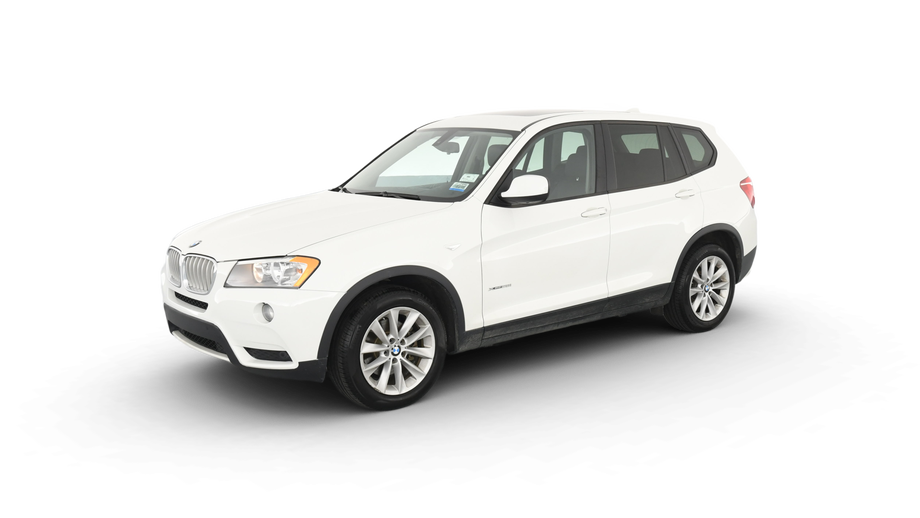
The biggest change for the 2013 BMW X3 is the xDrive28i’s switch from a 3.0-liter six-cylinder engine to a turbocharged 2.0-liter four-cylinder. Both trims also gain several standard convenience and efficiency features, but this is not a full redesign.
About the 2013 BMW X3
2nd generation (F25), third model year, before the 2015 mid-cycle refresh.
BMW positions the X3 as a compact luxury SUV that blends sporty road manners with everyday usefulness. In BMW’s own launch and update materials, the X3’s identity centers on agile handling, premium cabin feel, all-weather capability, and practical cargo space. For most shoppers, it is the brand’s do-everything family SUV: easier to live with than a larger X5, but more spacious and versatile than a sport sedan or wagon.
The xDrive28i is the mainline model, pairing all-wheel drive and an eight-speed automatic transmission with the new turbo four-cylinder. The xDrive35i is the quicker version and keeps its turbocharged 3.0-liter six-cylinder. Both have BMW’s iDrive touchscreen system, dual-zone automatic climate control, and a power liftgate.
What changed, by category
2013 BMW X3 specs and features by trim
| Feature | ||
|---|---|---|
| Engine | 4-Cyl, Turbo, 2.0 Liter | 6-Cyl, Turbo, 3.0 Liter |
| Transmission | Auto, 8-Spd Stptrnc Spt | Auto, 8-Spd Stptrnc Spt |
| Drivetrain | AWD | AWD |
| Fuel Type | Gas | Gas |
| MPG City | 21 mpg | 19 mpg |
| MPG Highway | 28 mpg | 26 mpg |
| Horsepower | 240 hp | 300 hp |
| Torque | 260 lb-ft | 300 lb-ft |
| Max Towing | 3000 lb | 3000 lb |
| Trunk/Cargo | 27.6 cu-ft | 27.6 cu-ft |
| Rear Legroom | 36.8 in | 36.8 in |
| Seats | 5 | 5 |
| Doors | 4 | 4 |
| Adaptive Headlights | ||
| Alarm System | ||
| Automatic High Beams | ||
| Automatic Leveling Headlights | ||
| Lane Departure Warning | ||
| Alloy Wheels | ||
| Fog Lights | ||
| HID Headlights | ||
| LED Tail Lights | ||
| Panorama Moon Roof | ||
| Roof Rails | ||
| Bluetooth | ||
| Navigation System | ||
| Premium Audio | ||
| Smartphone Interface | ||
| USB Ports | ||
| Heated Front Seats | ||
| Heated Steering Wheel | ||
| Leather Seats | ||
| Proximity Keyless Entry | ||
| Wood Interior Trim | ||
Frequently asked questions
What is the biggest change to the 2013 BMW X3?
The biggest change is a new engine for the xDrive28i. Its previous 3.0-liter six-cylinder is replaced by a turbocharged 2.0-liter four-cylinder with more torque and better fuel economy.
Is the 2013 BMW X3 a full redesign?
No, the 2013 BMW X3 is not a full redesign. It is the third model year of the second-generation X3 and receives a meaningful engine and equipment update ahead of the 2015 refresh.
Did the 2013 BMW X3 xDrive35i get a new engine?
No, the 2013 xDrive35i keeps its turbocharged 3.0-liter six-cylinder engine. Its main updates are standard automatic engine stop-start, selectable driving modes with ECO PRO, and a power liftgate.
Is the 2013 X3 xDrive28i more fuel-efficient than the 2012 model?
Yes, the 2013 xDrive28i improves to 21 mpg city and 28 mpg highway, up from 19 mpg city and 25 mpg highway for 2012. The change comes with its switch to a turbocharged four-cylinder engine.
What features became standard on both 2013 BMW X3 trims?
Both 2013 X3 trims gain automatic engine stop-start, selectable driving modes with an efficiency-focused ECO PRO setting, and a power liftgate as standard equipment.